

Partners want to sell with you, not wrestle with your tools. When information is scattered and processes are unclear, even the strongest partner relationships stall.
The right partner portal turns that experience around. It becomes the single, branded destination where partners learn, launch campaigns, submit deals, and track results – without needing constant handholding from your team.
We’ve analyzed product roadmaps, support, and integrations to bring you a practical overview of the best partner portal platforms in 2025, and how each one supports smoother, more profitable collaboration.
TL;DR – Top 10 Partner Portals by Use Case
1. FuseBase – White-labeled portals, embedded AI Agents, and automation. Ideal for onboarding, branded collaboration, resource sharing, and co-selling workflows.
2. Clinked – A simple, client-friendly portal focused on document storage and messaging. Excellent for legal, financial, or agency use.
3. Clientary (formerly Ronin) – Lightweight all-in-one portal with invoicing, proposals, and time tracking. Best for freelancers & solo consultants managing partners.
4. AhSuite – Minimalist portal ideal for sharing files, links, and updates with partners. Great for lean teams needing quick client/partner dashboards.
5. Confluence – Strong wiki functionality. Ideal for technical partner programs and enablement documentation when paired with Jira or other Atlassian tools.
6. SuiteDash – Robust portal suite combining CRM, messaging, file storage, and billing in one tool. Great for SMBs managing both clients and partners.
7. Zendesk – Scales support workflows and self-service knowledge bases for partners. Ideal for enterprise support orgs needing ticket-based collaboration.
8. Moxo – Secure messaging, task approvals, and document workflows. Designed for high-touch partner interaction, especially on mobile.
9. Notion – Best for Lightweight Partner Wikis & Resource Hubs Highly flexible, good for sharing guides, checklists, and enablement content. Best for lightweight partner wikis and resource hubs.
10. SharePoint – Powerful but complex. Ideal for organizations already invested in Microsoft 365 and needing tightly permissioned partner document and workflow spaces.
What Is the Partner Portal?
A partner portal is a secure, shared workspace where you and your partners manage everything related to your collaboration. Instead of relying on ad hoc emails and scattered folders, partner portals centralize key assets like sales decks, pricing sheets, playbooks, and SLAs, alongside workflows for deal registration, lead sharing, and co-marketing. The goal is simple: give every partner a clear, always-on destination where they can find what they need, take action, and see the status of their deals.
Best 10 Partner Portals in 2025
1. FuseBase
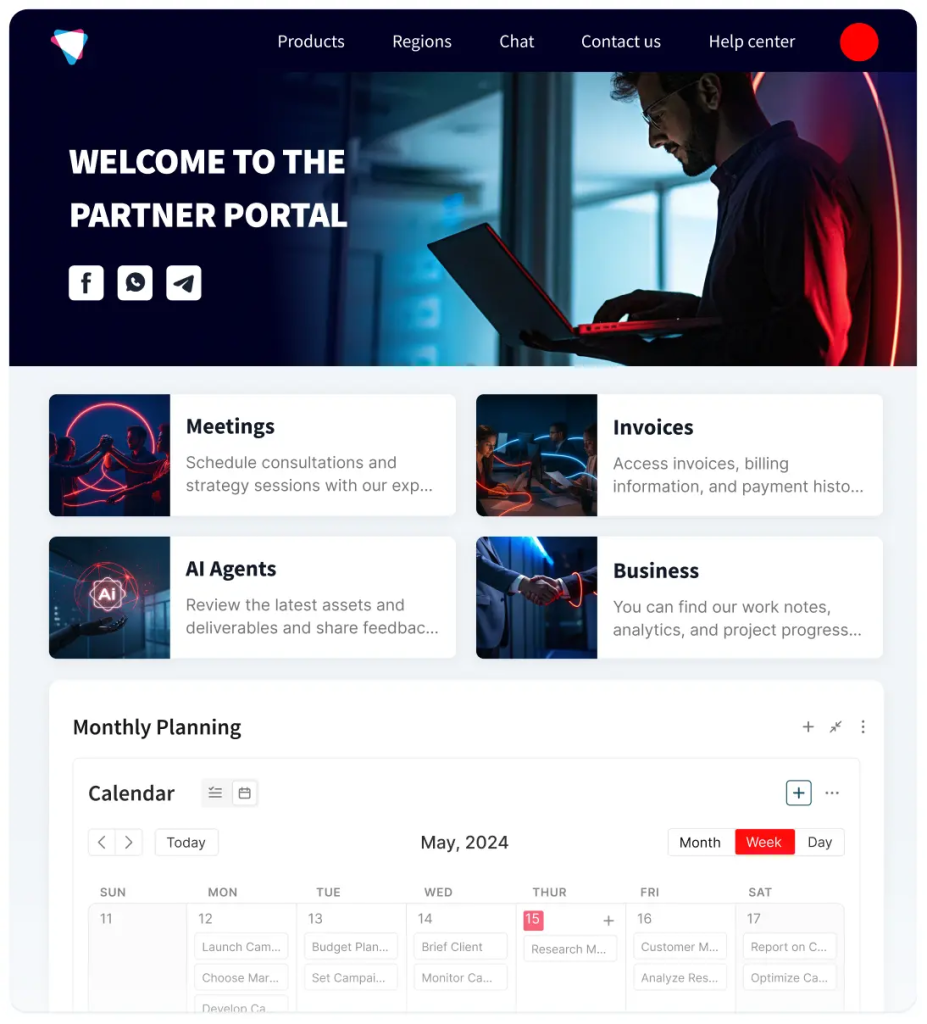
FuseBase is a white-labeled partner portal platform that combines branded workspaces, embedded AI Agents, and automation in one place. You can create dedicated spaces for each partner, share resources, run onboarding flows, and centralize co-selling activities without exposing your internal tools. Built-in automation helps you trigger follow-ups, status updates, and task creation based on partner actions, so your team spends less time on manual coordination. For organizations focused on ecosystem-led growth, FuseBase turns scattered partner interactions into a structured, repeatable portal experience.
Key Features
- Client and partner workspaces
- Secure document management
- Task tracking with collaboration
- AI Agents for automating busywork
- Custom dashboards and reporting
2. Clinked

Clinked is a simple, client-friendly portal that works well as a lightweight partner portal for firms that don’t need a huge tech stack. It centers on secure document storage, messaging, and basic collaboration features. This platform makes it easy for legal, financial, or agency teams to share files and updates with partners in one controlled space. Instead of sending sensitive documents over email, you can invite partners into a branded portal where everything is organized by project or relationship.
Key Features
- Secure file sharing and storage
- Branded client workspaces
- Task and discussion management
- Mobile app for client access
3. Clientary (formerly Ronin)
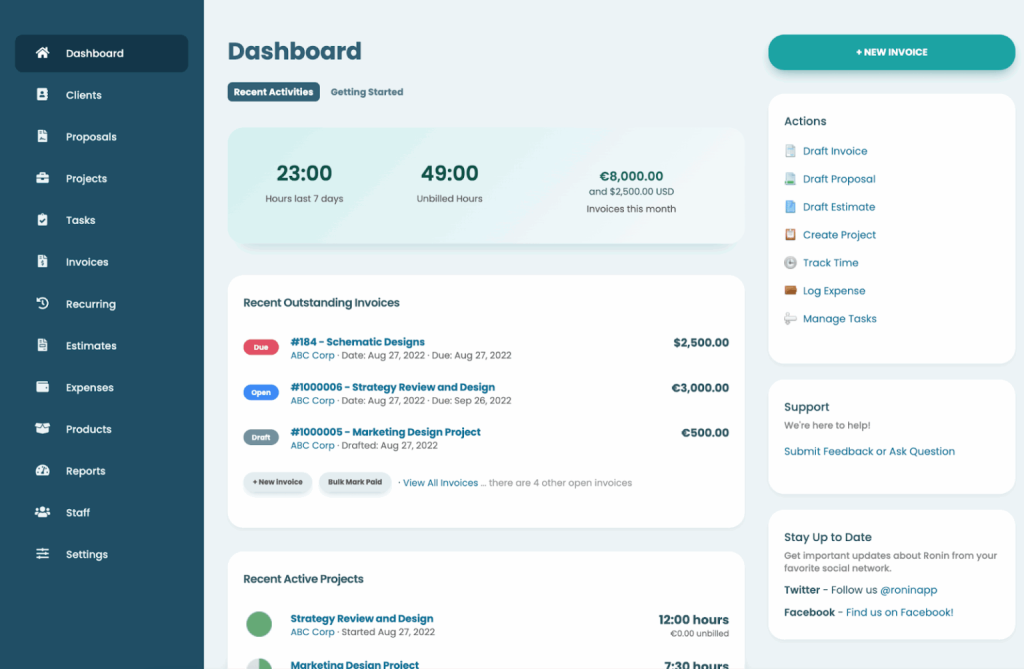
Clientary is a lightweight all-in-one portal that blends invoicing, proposals, and time tracking with basic collaboration. For freelancers, solo consultants, or very small teams working with a handful of partners, it can act as a simple partner portal where you share estimates, contracts, and project status in one clean interface. Because billing tools are built in, you can move from proposal to delivery to payment without forcing partners to switch systems.
Key Features
- Client relationship management
- Invoices and payments
- Project and task tracking
- Basic partner portals
4. AhSuite
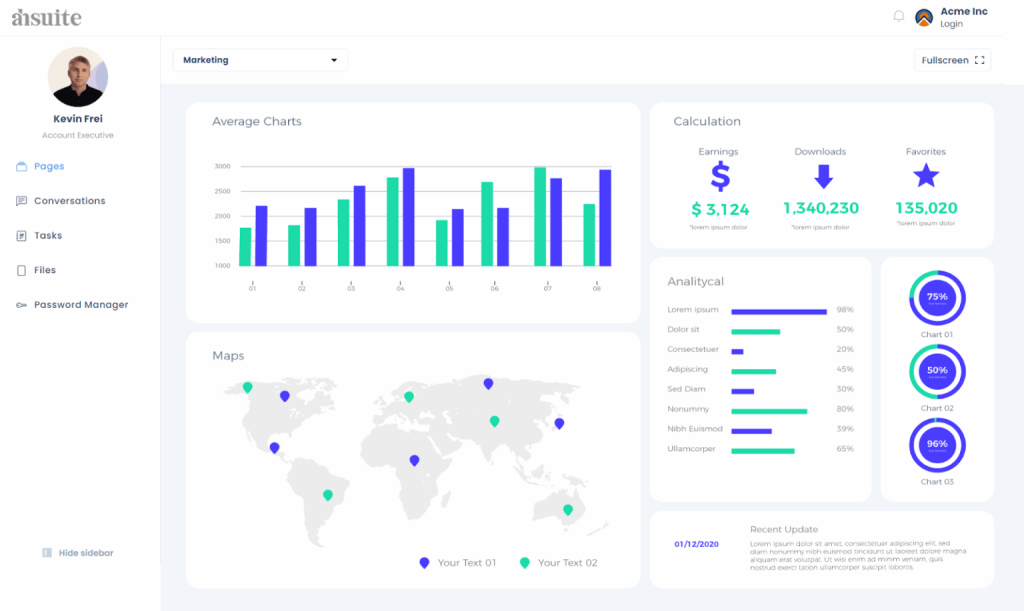
AhSuite is a minimalist portal designed for sharing files, links, and status updates in a straightforward way. It’s ideal for lean teams who want partners to have a single dashboard for everything related to a project (reports, assets, URLs, and quick notes) without the complexity of a full-blown platform. As a partner portal, it emphasizes clarity over features, making it easy for stakeholders to log in, see what matters, and move on with their work.
Key Features
- Partner and client portal creation
- Workflow and task management
- Document tracking
- Team collaboration tools
5. Confluence

Confluence isn’t a traditional partner portal out of the box, but it excels at structured documentation and wikis. For technical partner programs, it can serve as a powerful enablement hub where you publish integration guides, API docs, implementation playbooks, and FAQs. When paired with Jira or other Atlassian tools, Confluence becomes the knowledge backbone of your partner portal. It’s particularly effective for partners who need deep technical documentation and clear processes.
Key Features
- Wiki-style knowledge management
- Document and project collaboration
- Integration with Atlassian tools, including Jira
6. SuiteDash

SuiteDash is a robust, all-in-one portal suite that combines CRM, secure messaging, file storage, and billing. It’s popular with SMBs that manage both clients and partners and want to keep everything under one login. As a partner portal, SuiteDash can host onboarding materials, track partner accounts and opportunities, share documents, and handle recurring billing or retainers. It’s a strong fit if you’d rather standardize on one flexible platform than stitch together several tools.
Key Features
- CRM and client management
- Project and task tracking
- Invoicing and payment handling
- Document collaboration
7. Zendesk
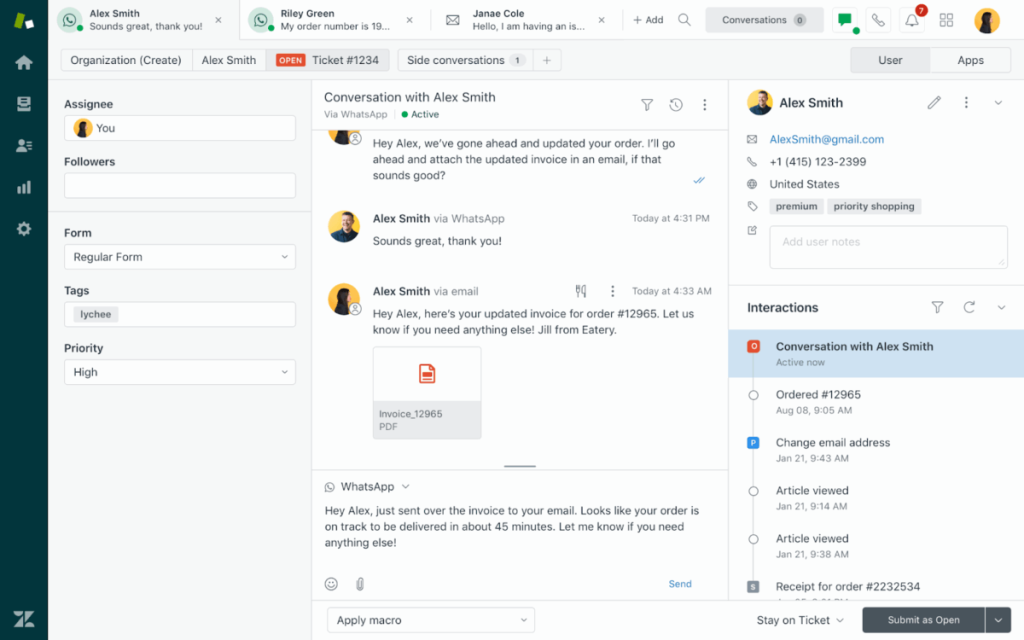
Zendesk is best known for support, but it can also function as a partner portal for service-focused ecosystems. Its ticketing workflows, help center, and knowledge base features allow partners to log issues, request support, and self-serve documentation from a central hub. For enterprise support organizations, Zendesk scales well: you can segment partner access, track SLAs, and report on the volume and type of partner interactions across regions or tiers.
Key Features
- Customizable partner portals
- Knowledge base management
- Live chat and ticketing
- CRM integrations
8. Moxo
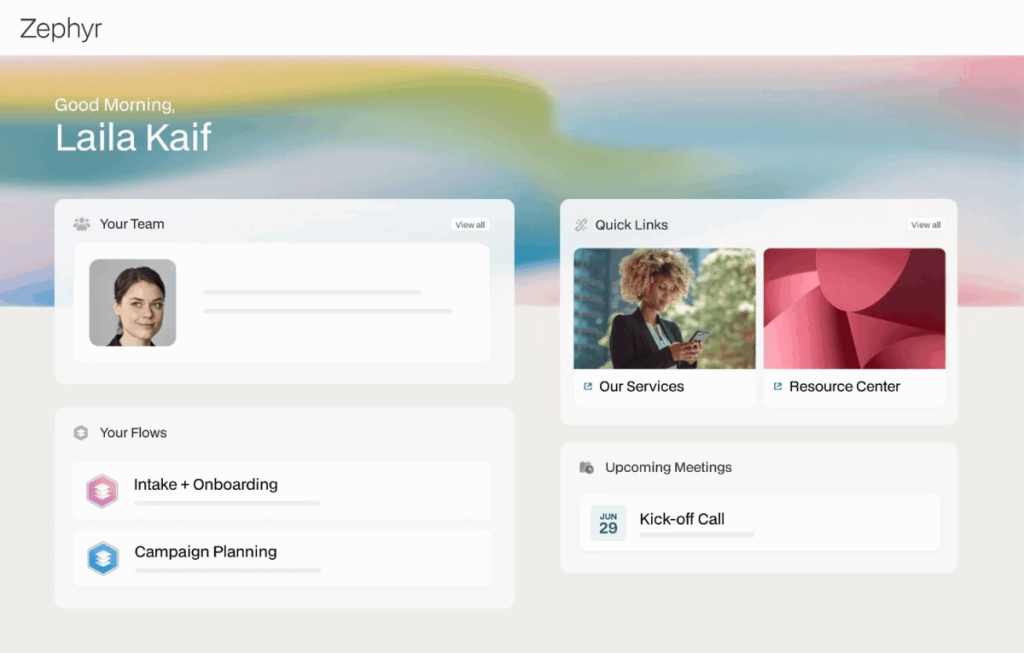
Moxo is built for high-touch collaboration, with secure messaging, task approvals, and document workflows tailored for external stakeholders. As a partner portal, it shines when relationships are highly interactive. Think: account reviews, joint planning, and frequent approvals that need to happen on the go. Its strong mobile experience makes it easy for partners to review documents, give sign-off, or respond to requests without being tied to a desktop environment.
Key Features
- Secure client workspaces
- Task and milestone tracking
- Document sharing and e-signatures
9. Notion
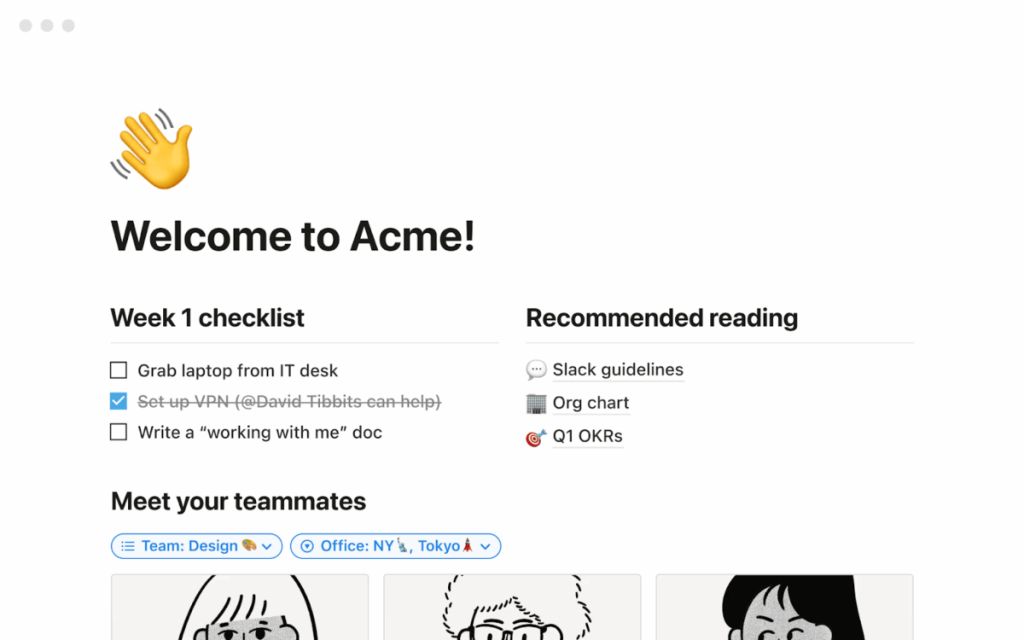
Notion works well as a flexible, lightweight partner portal when you don’t need heavy automation or complex permissions. You can build simple partner workspaces or wikis that bundle guides, checklists, FAQs, and playbooks into a single, easy-to-navigate interface. It’s especially useful for early-stage partner programs that want to move quickly, publish content in real time, and iterate on structure as they learn what partners actually use.
Key Features
- Custom dashboards and wikis
- Shared knowledge bases
- Basic task management
10. SharePoint
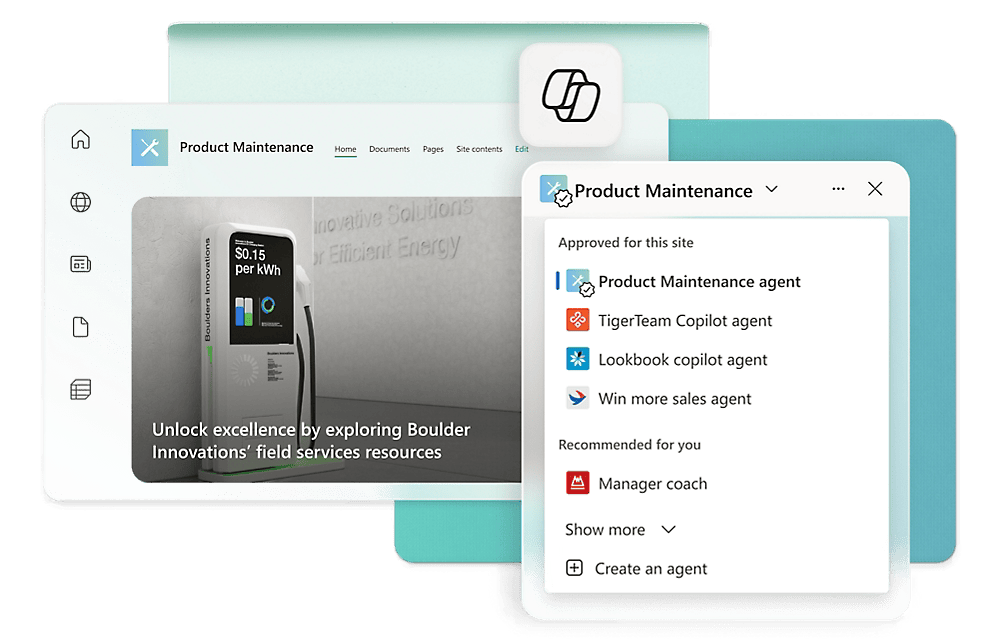
SharePoint is a powerful, enterprise-grade content and collaboration platform that can be configured into tightly permissioned partner portals. For organizations already invested in Microsoft 365, it provides deep integration with Teams, OneDrive, and the rest of the stack, along with granular access control for different partner groups. While setup and governance can be complex, SharePoint offers strong capabilities for organizations that need formal document management, compliance, and workflow-driven collaboration with partners.
Key Features
- Enterprise-grade document management
- Customizable portals
- Integration with Microsoft 365
- Permissions and access controls
Summary: Choosing the Right Partner Portal
The right partner portal becomes the backbone of your partner program, not just another login. The key is matching the tool to how your partners actually work.
Use this shortlist to narrow your options:
- Choose FuseBase, SuiteDash, or Moxo if you want branded spaces, structured workflows, and ongoing collaboration with partners.
- Choose Clinked, AhSuite, Clientary, or Notion if you need a lightweight partner hub that’s quick to launch and easy to maintain.
- Choose Confluence, Zendesk, or SharePoint if you’re operating at enterprise scale and need tighter integration with existing ecosystems and compliance.
Start by defining your core workflows like onboarding, enablement, deal registration, support. Then pick the partner portal that makes those motions simpler, more visible, and easier to repeat.